For many people, solar energy can seem complex at first. However, once you understand the basic components and how they work together, it becomes much easier to see the value of a solar power system.
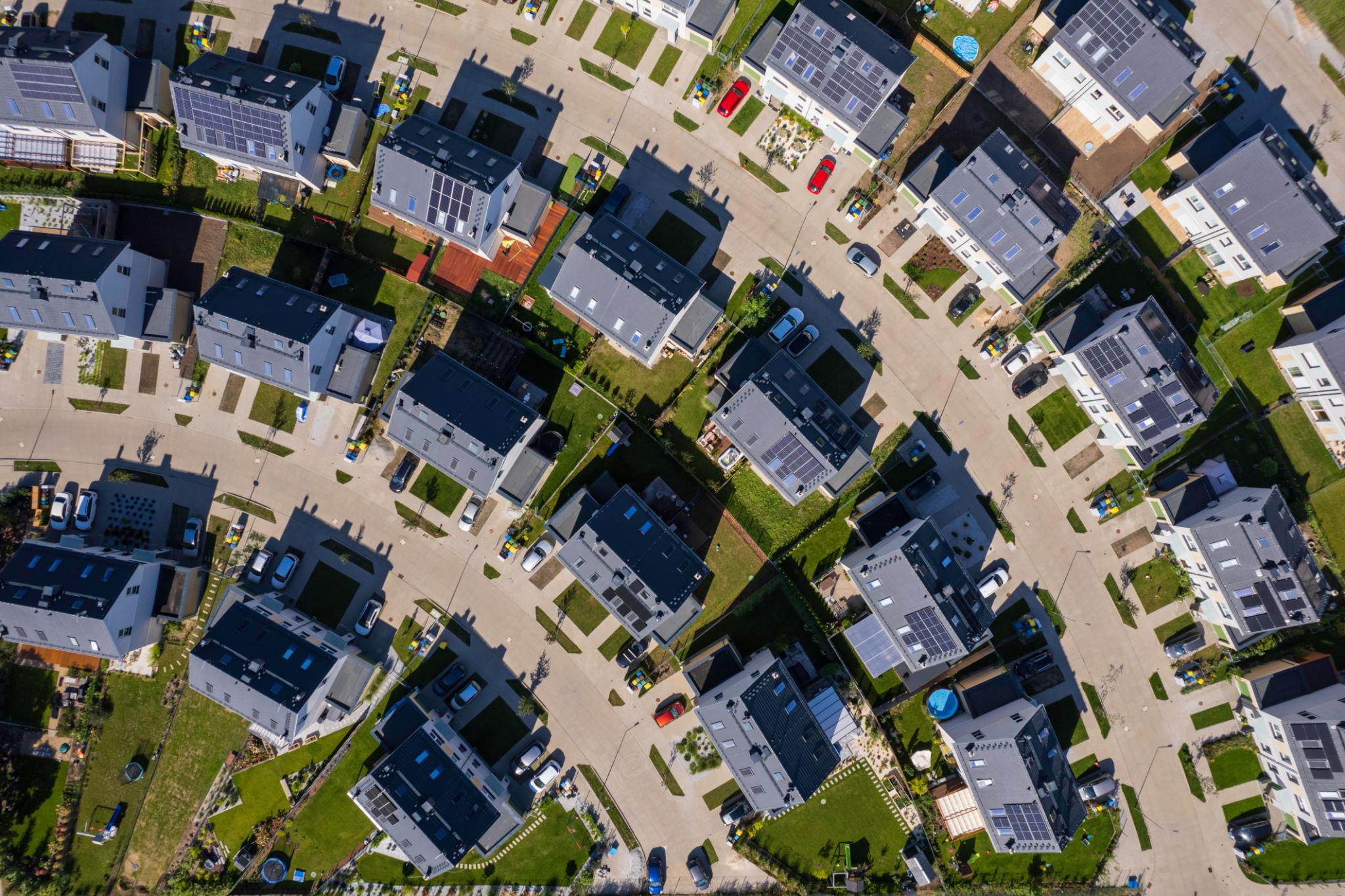
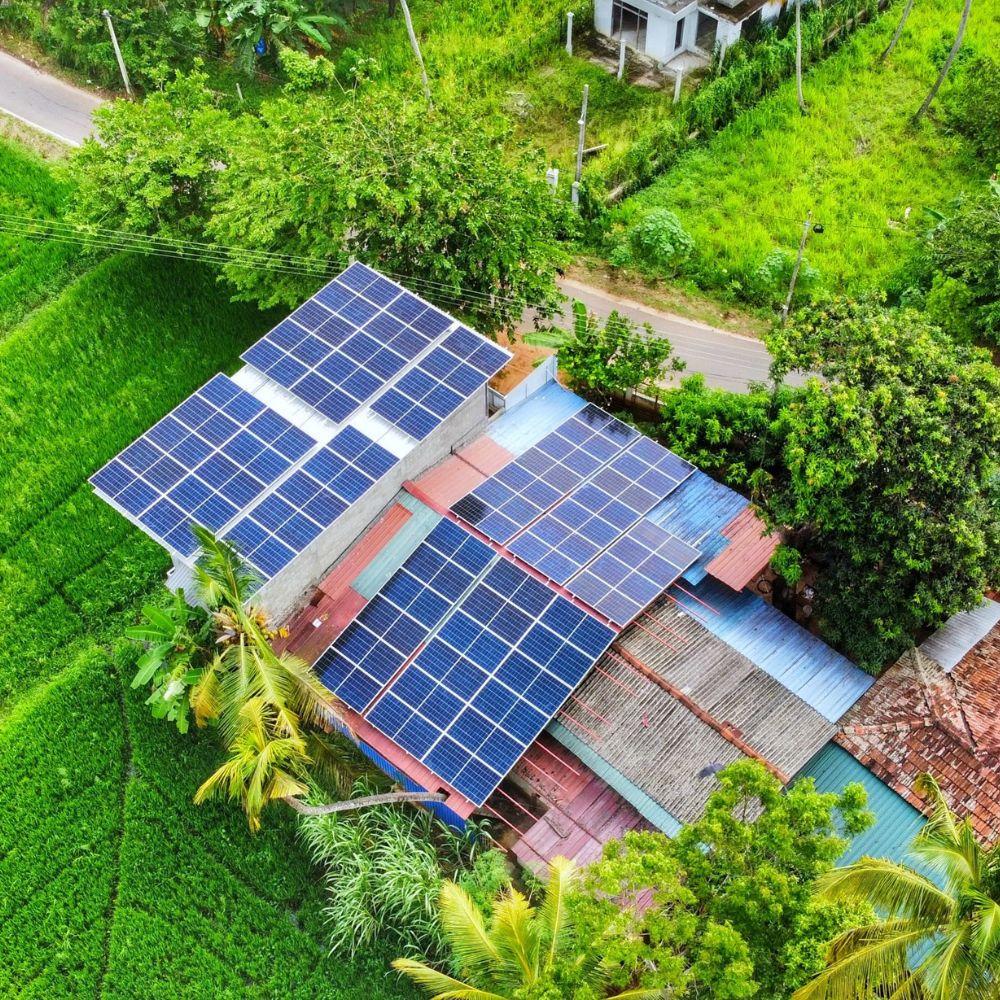
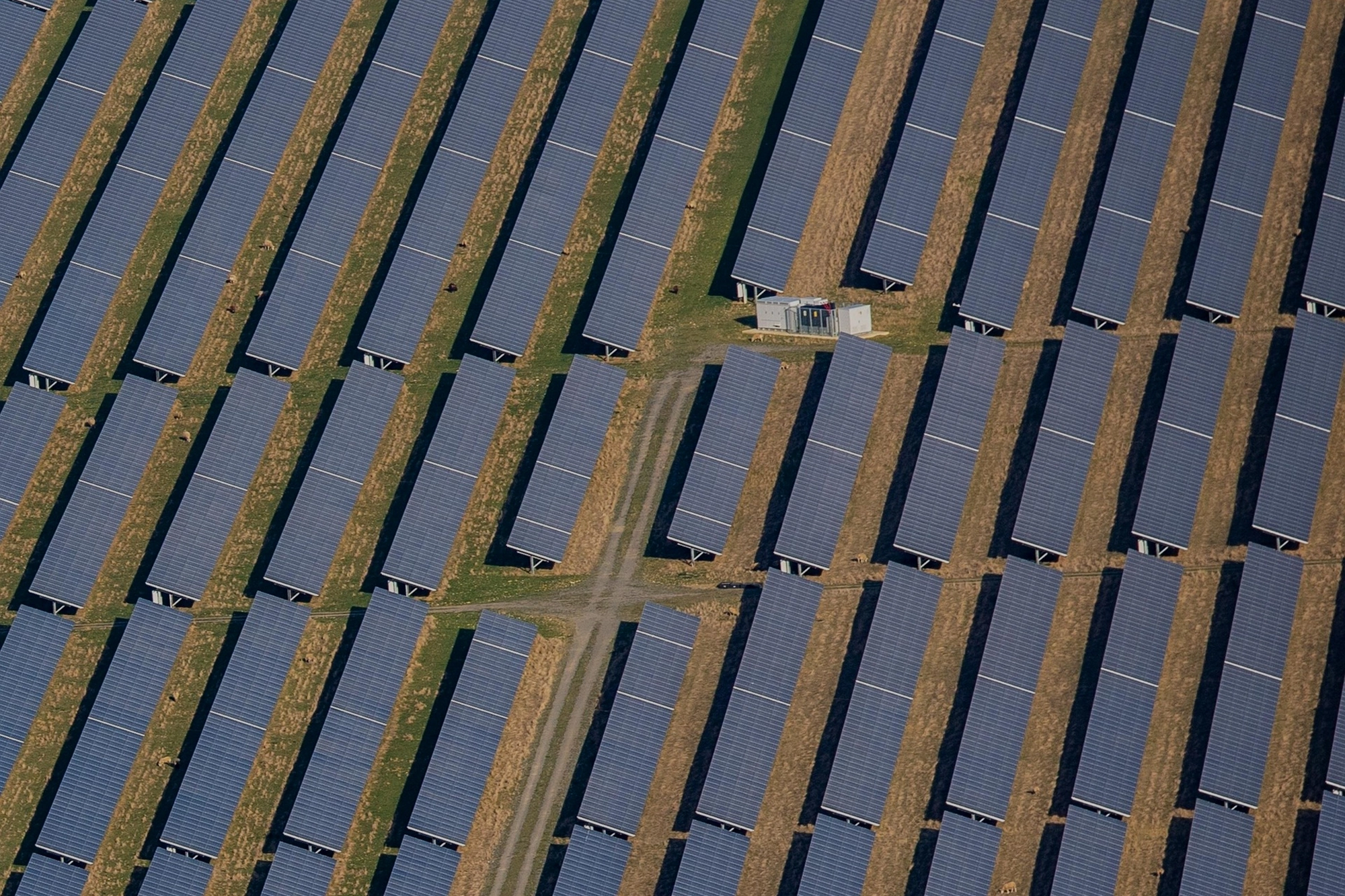
At the core of every system are solar panels, typically installed on rooftops or open land where they can receive maximum sunlight. These panels contain photovoltaic (PV) cells that capture sunlight and convert it into direct current (DC) electricity.
Since most household appliances use alternating current (AC), the electricity generated by the panels must be converted. This is where the inverter plays a crucial role. It transforms DC electricity into usable AC power that can run everything from lights to refrigerators.
Many solar systems are connected to the main electricity grid. This setup allows homeowners to draw power when their panels are not producing enough—such as at night—and send excess energy back to the grid during the day. In some cases, this can even result in energy credits, further reducing electricity costs.
For those seeking greater independence, battery storage systems can be added. These batteries store excess energy for later use, providing backup power during outages and reducing reliance on the grid.


Overall, a solar power system is a smart combination of technology designed to deliver clean, efficient, and reliable energy. Understanding how it works empowers homeowners to make informed decisions and fully benefit from their investment.